AI, toPeople with Intellectual Disabilities
Thirty-one tomorrows,
drawn together
Thirty-one tomorrows,
drawn together
Chapter 1
01
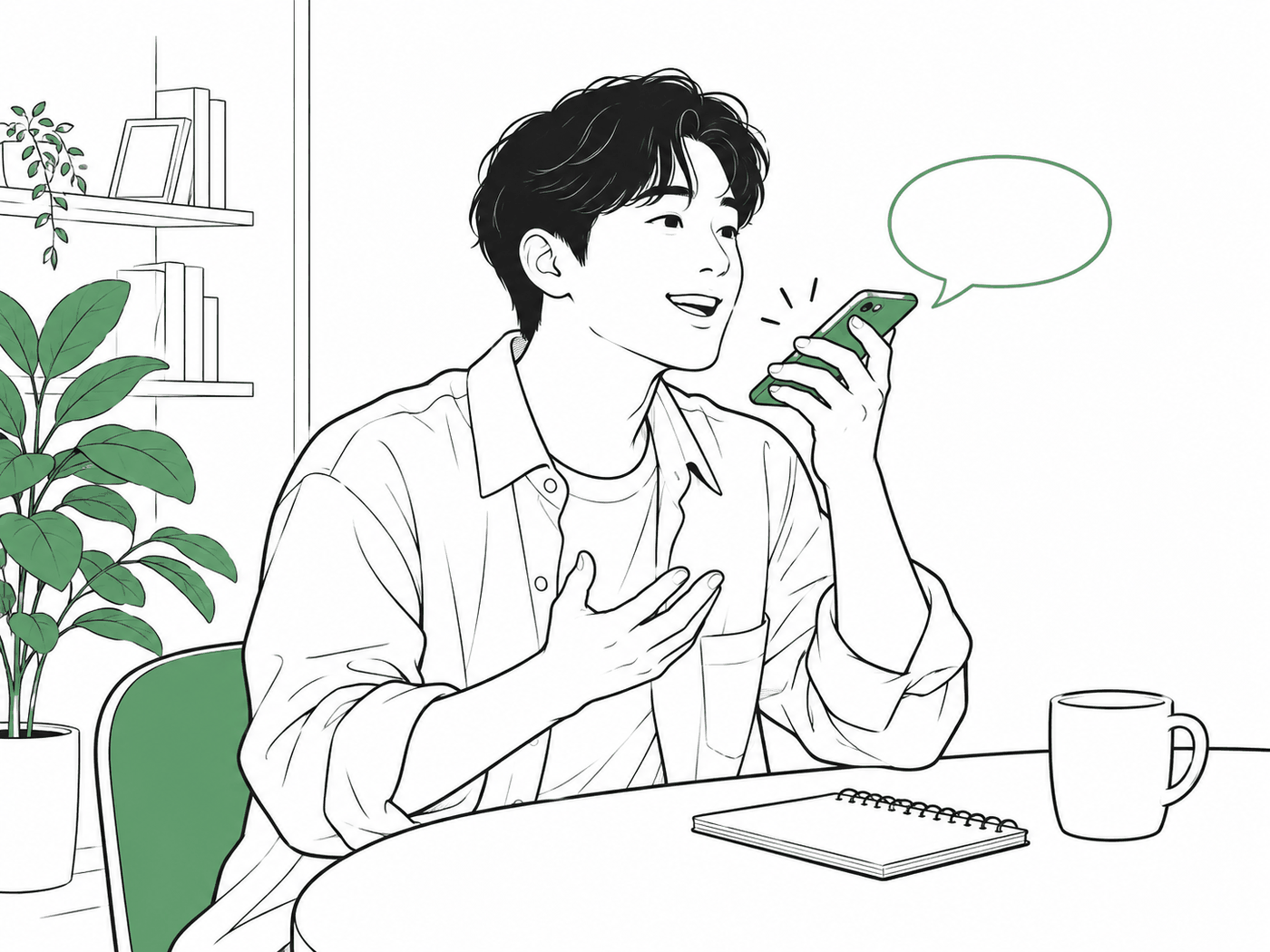
It polishes the sentences but keeps the verbal habits, the humor and the rhythm, so it sounds exactly like that person said it.
02
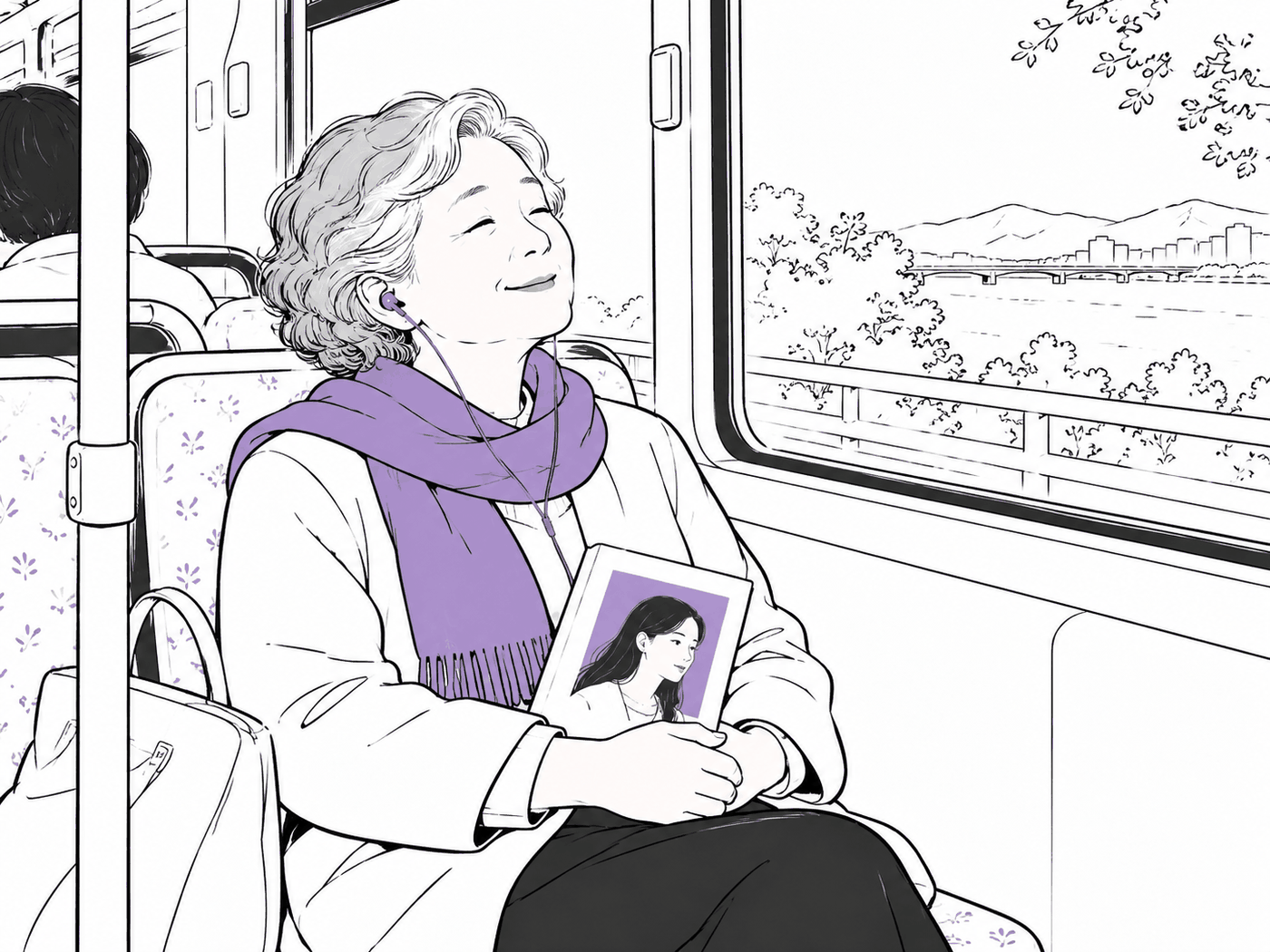
It clones your own voice, then reads the book you wrote back to you in it.
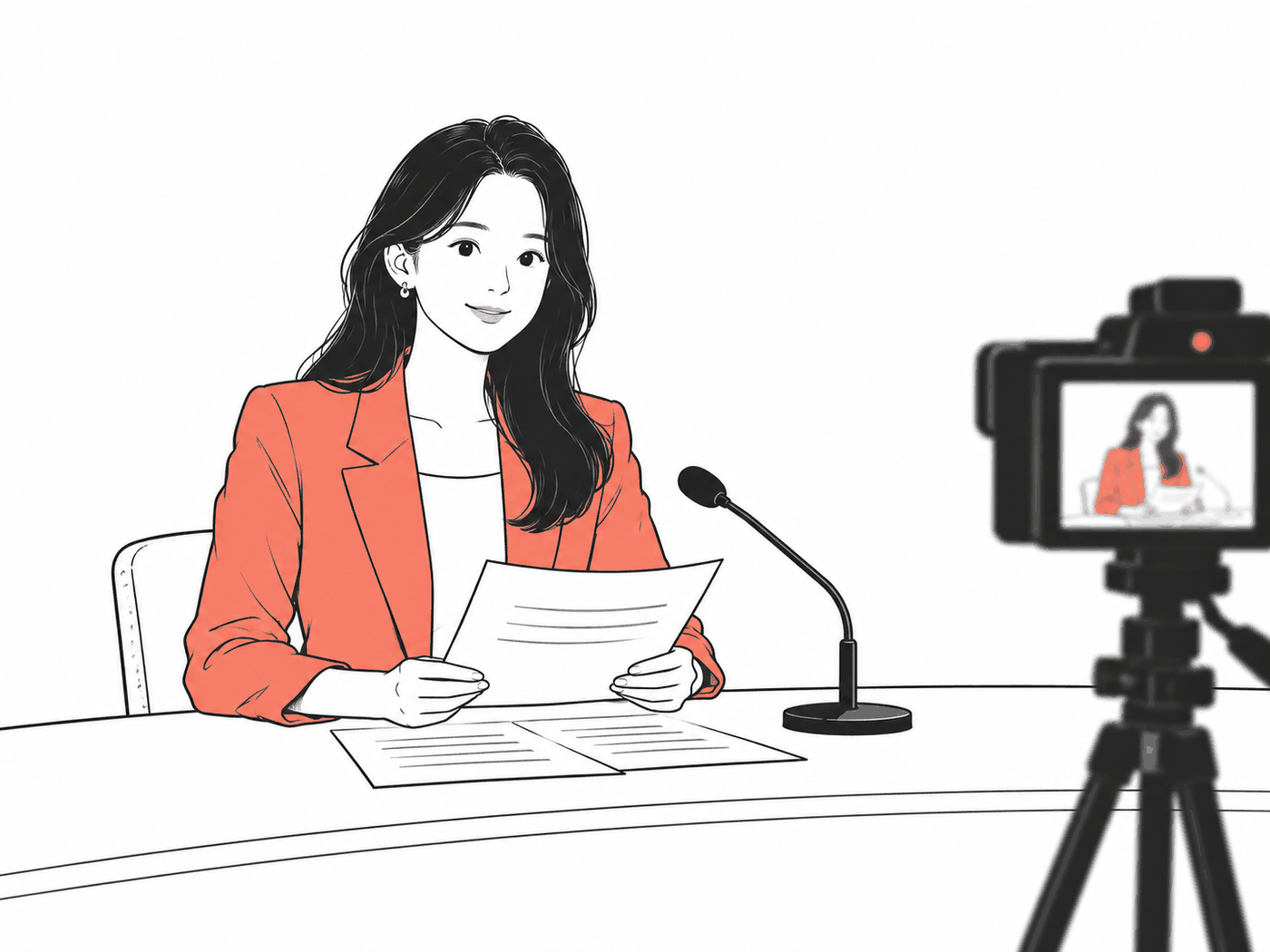
03
Easy news planned and hosted by people with developmental disabilities themselves. AI handles the script, captions and editing.
04
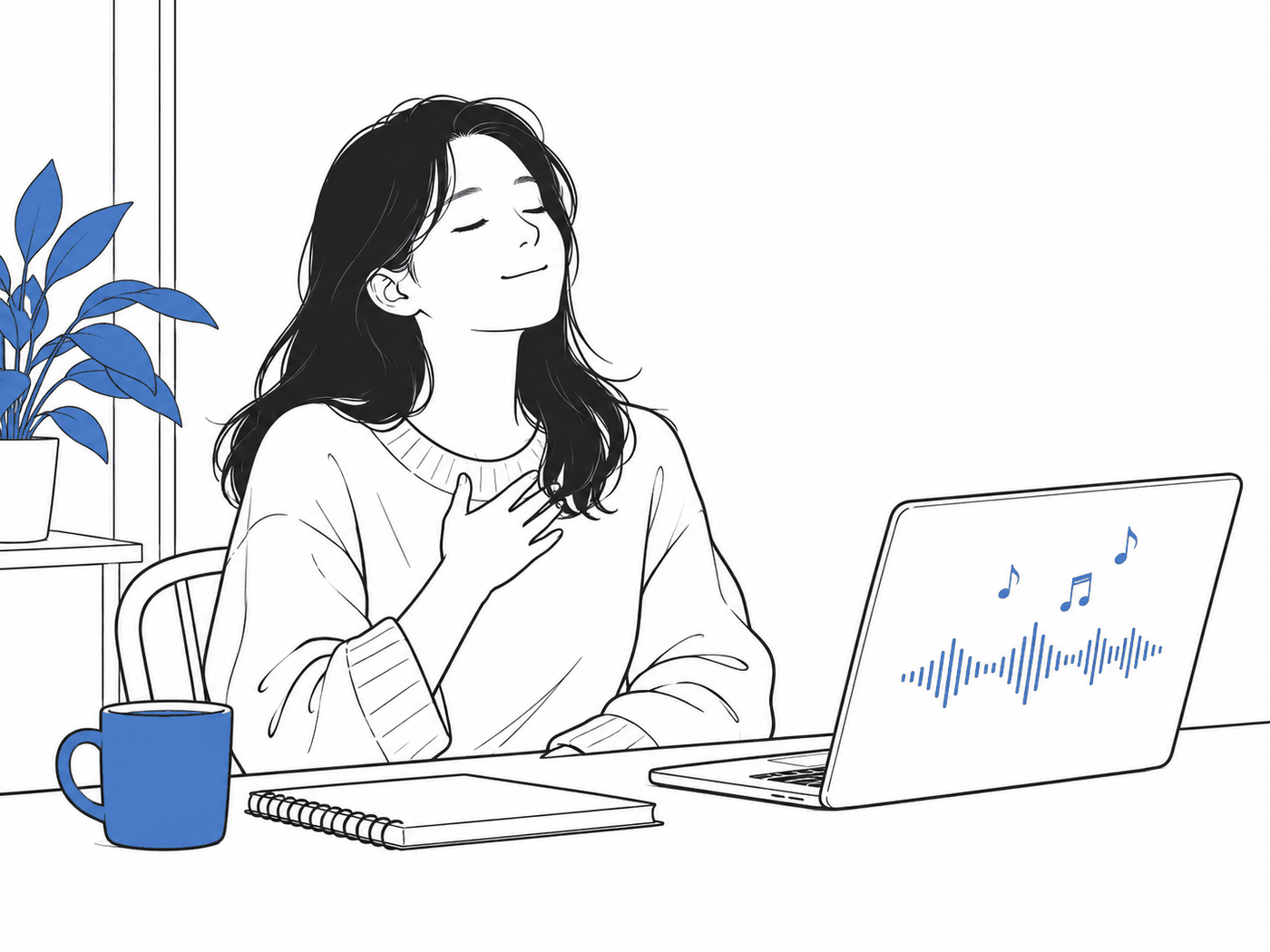
A few hums and a few words become a finished song, released for everyone to stream.
05
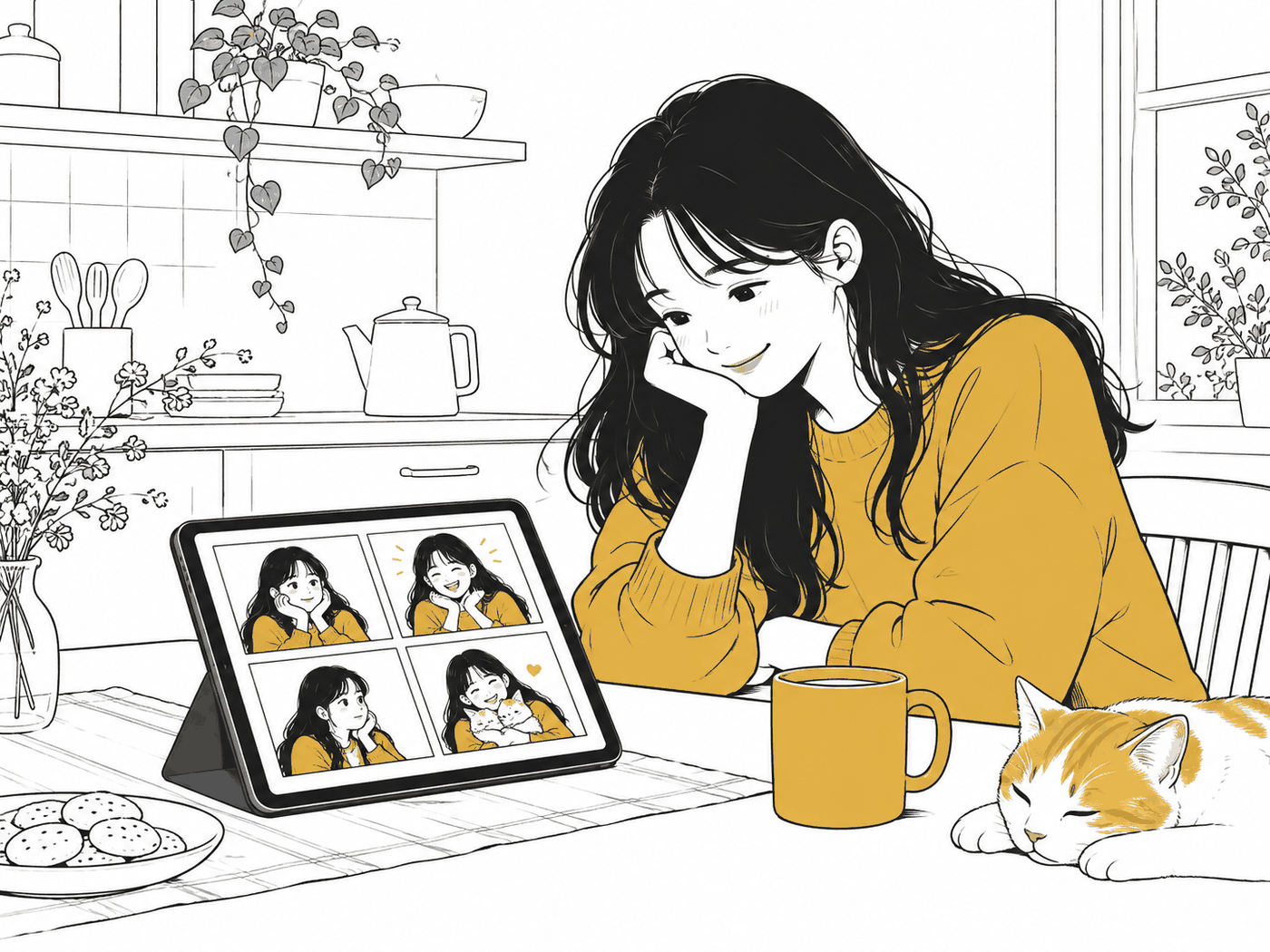
What you said and the photos you took in a day become one webtoon episode every week.
06
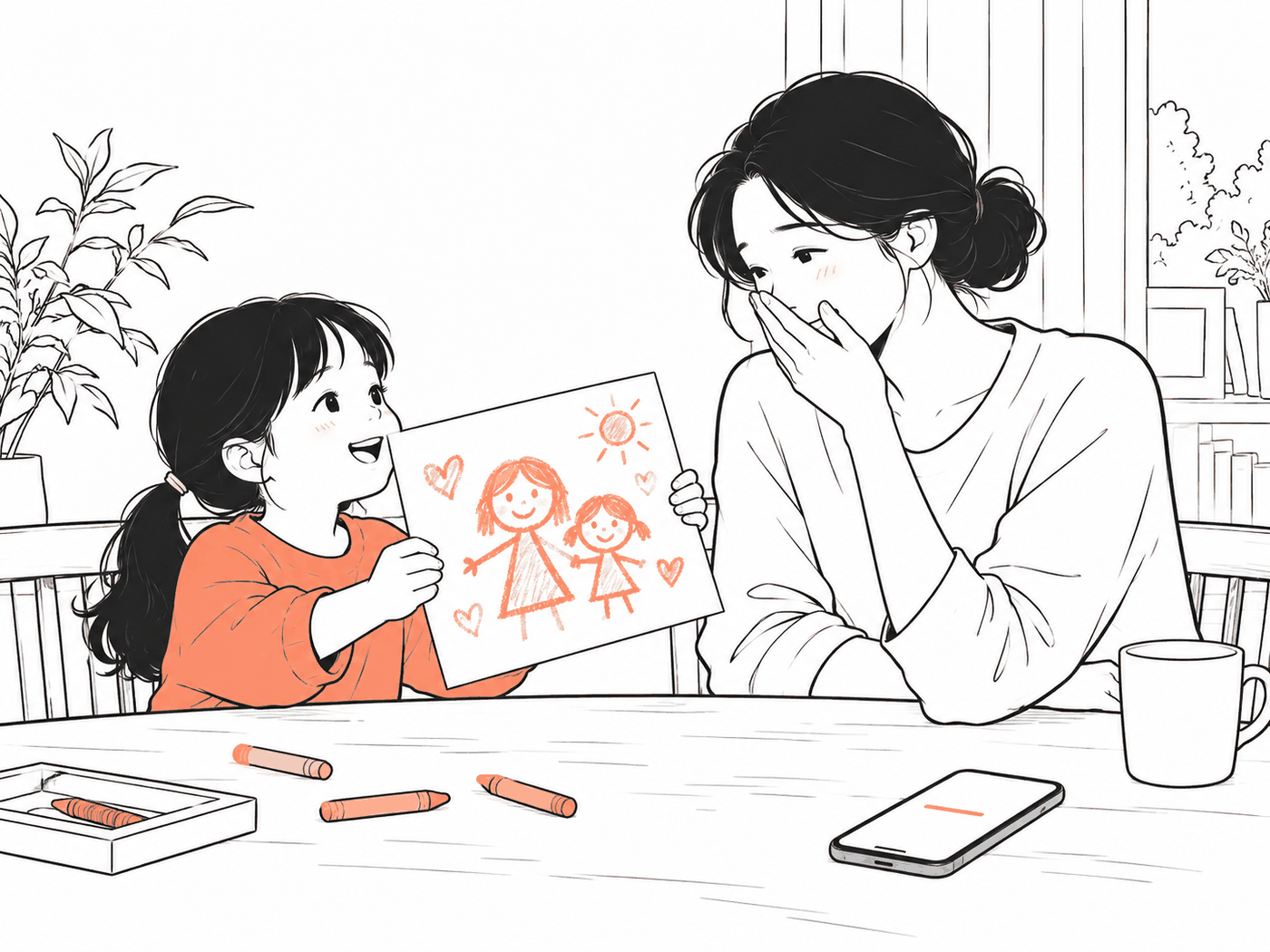
It turns gestures, expressions, sounds and drawings into sentences. Someone who had no words gets sentences of their own for the first time.
Chapter 2
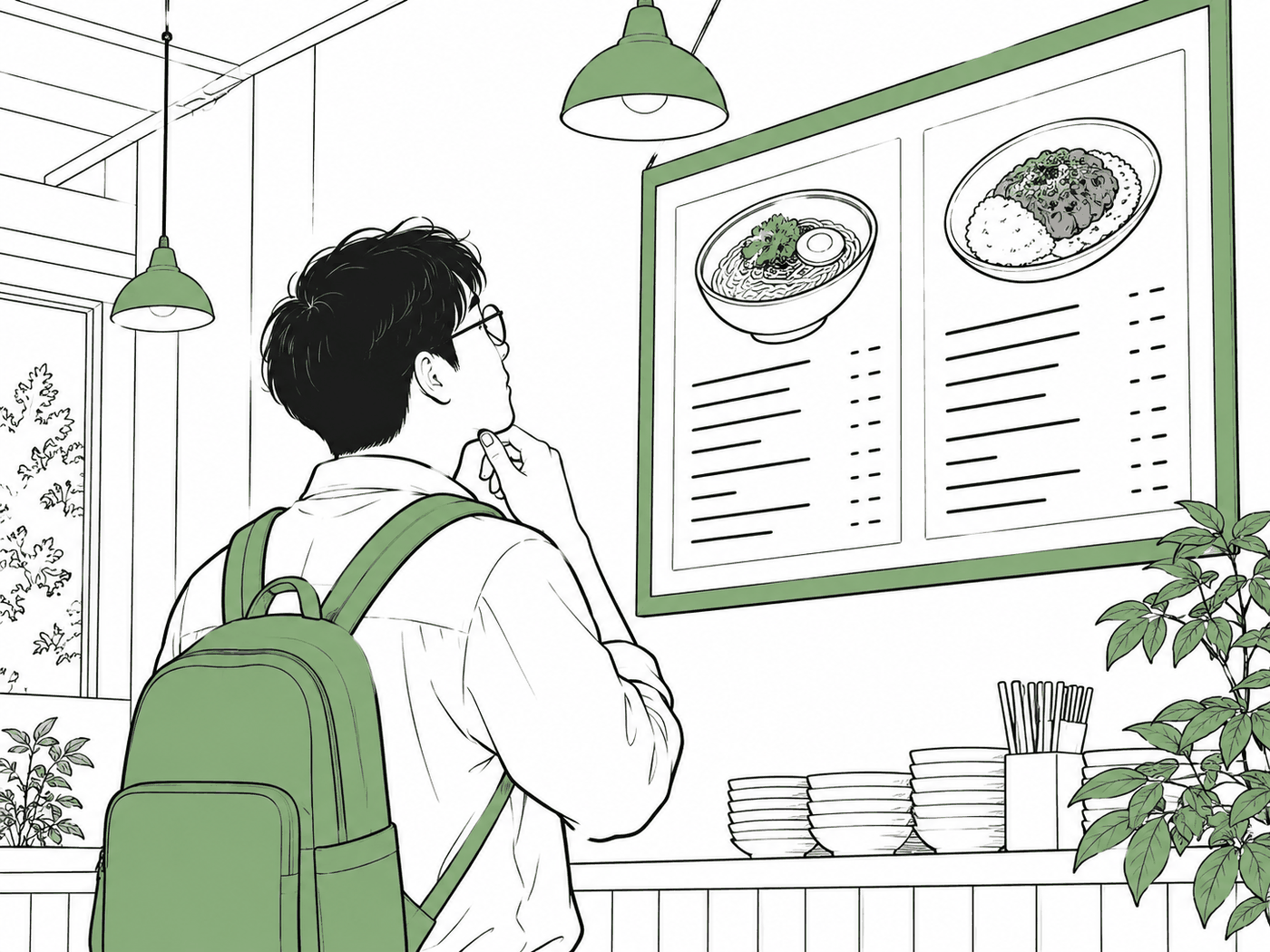
07
Through smart glasses, signs, menus and contracts change into plain words and pictures.
08

During a conversation, an earpiece whispers, “That was a joke,” or “Saying thank you here would be nice.”
09
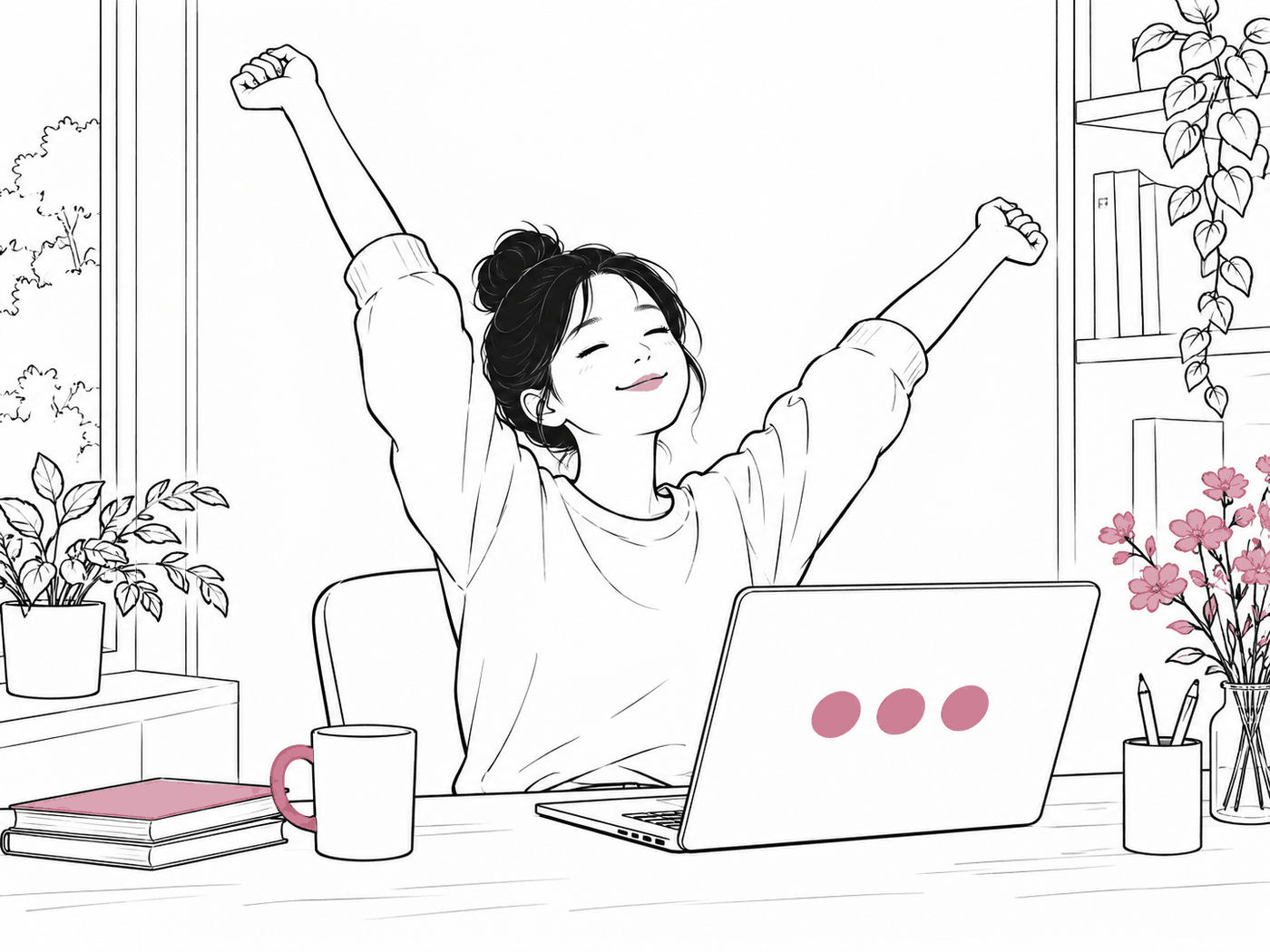
Banks, government portals and shopping sites rebuild themselves automatically to the level and speed that suit that person.
10
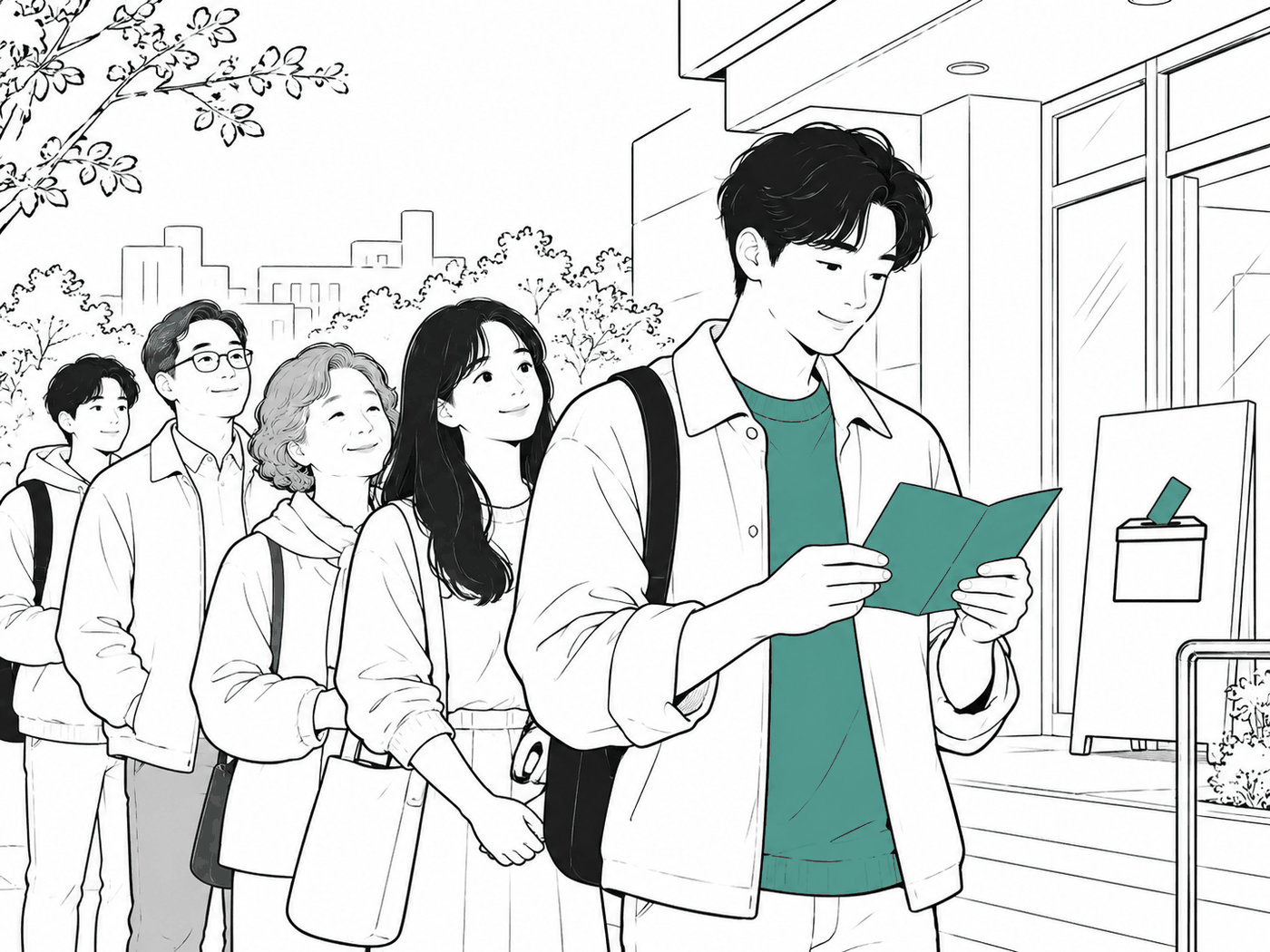
The moment a court ruling or an election document is published, a version made just for you appears.
11
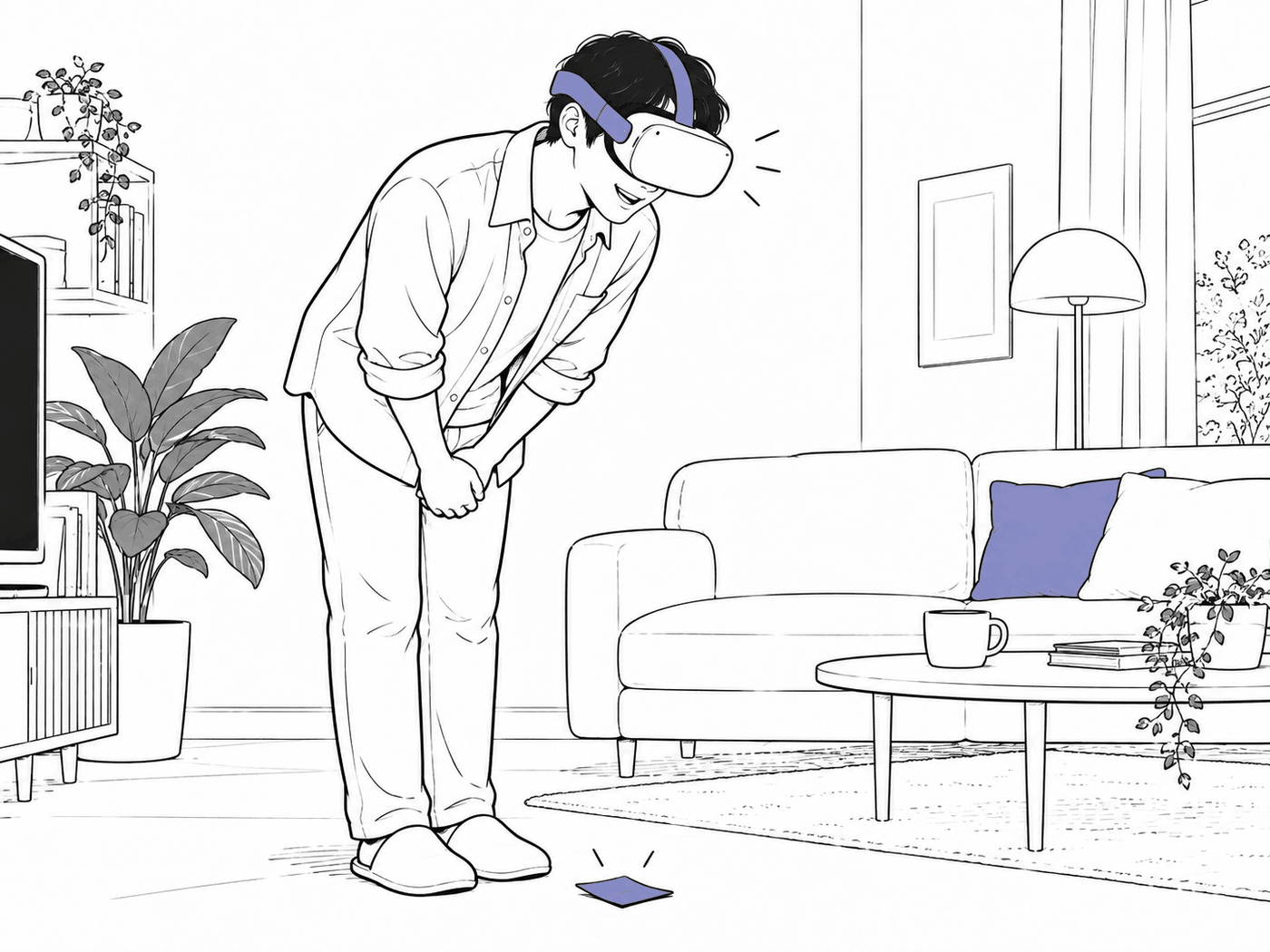
Live your first day at work, your first move, your first hospital visit ten times before the real one.
Chapter 3
12
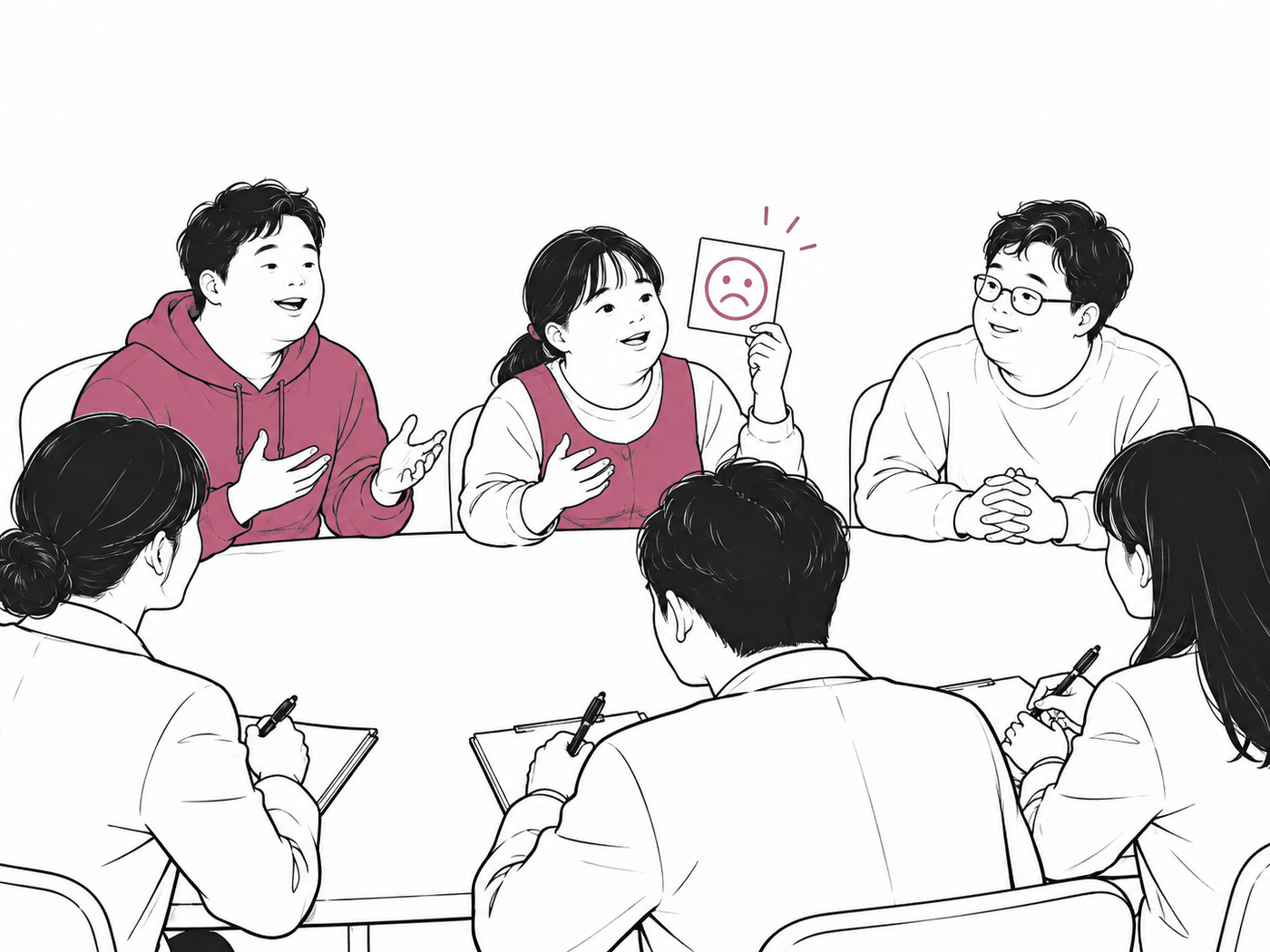
AI companies around the world ask a panel of people with the disability, “Can our explanation really be understood?” If these people understand it, older adults, children and foreigners will too.
13
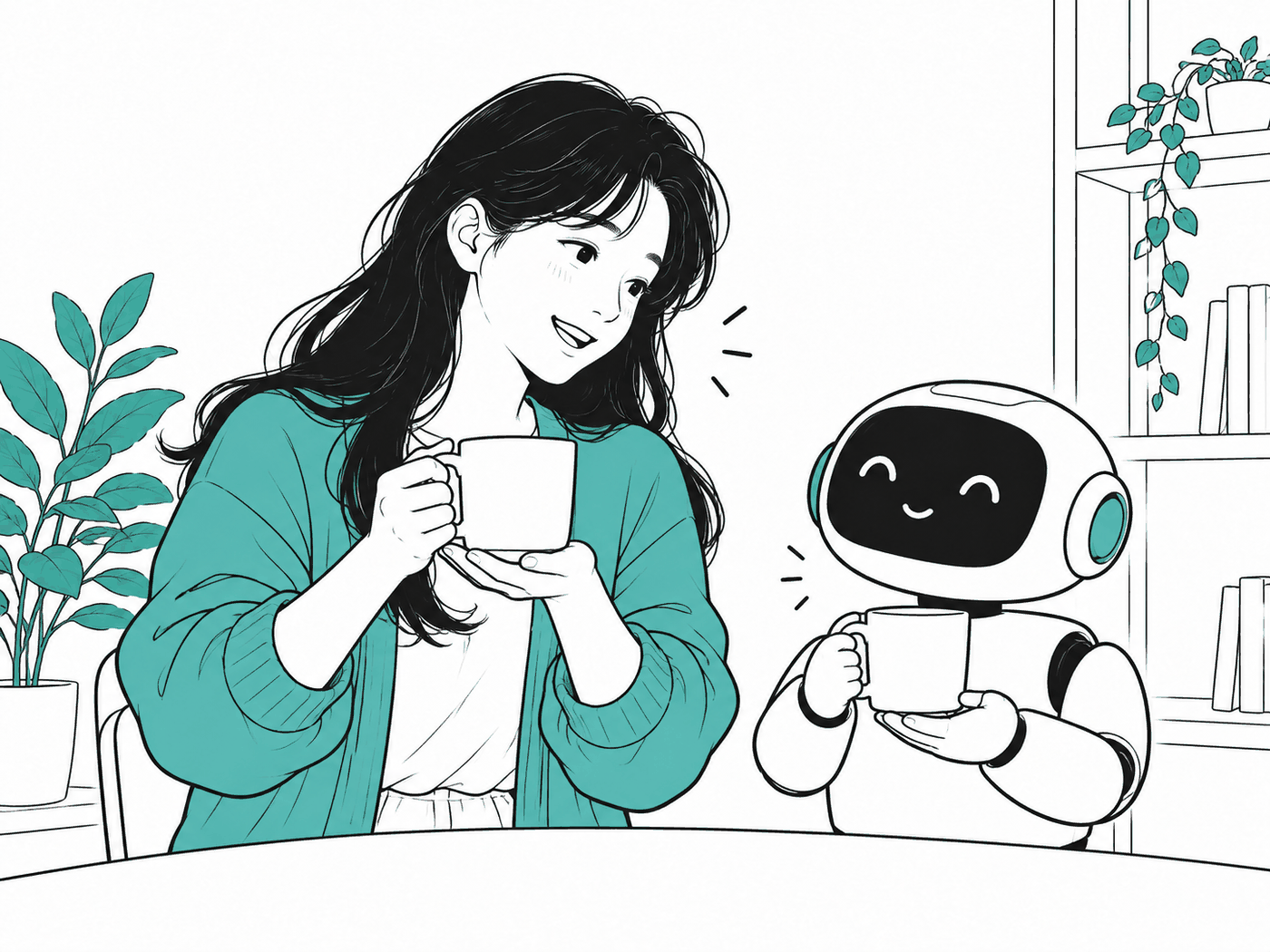
A job teaching robots: “This is how I need to be helped to feel at ease.”
14
An AI personality that learned from conversations with them: never in a hurry, never tired of repeating, honest. In the end, the AI everyone uses becomes kinder.
15
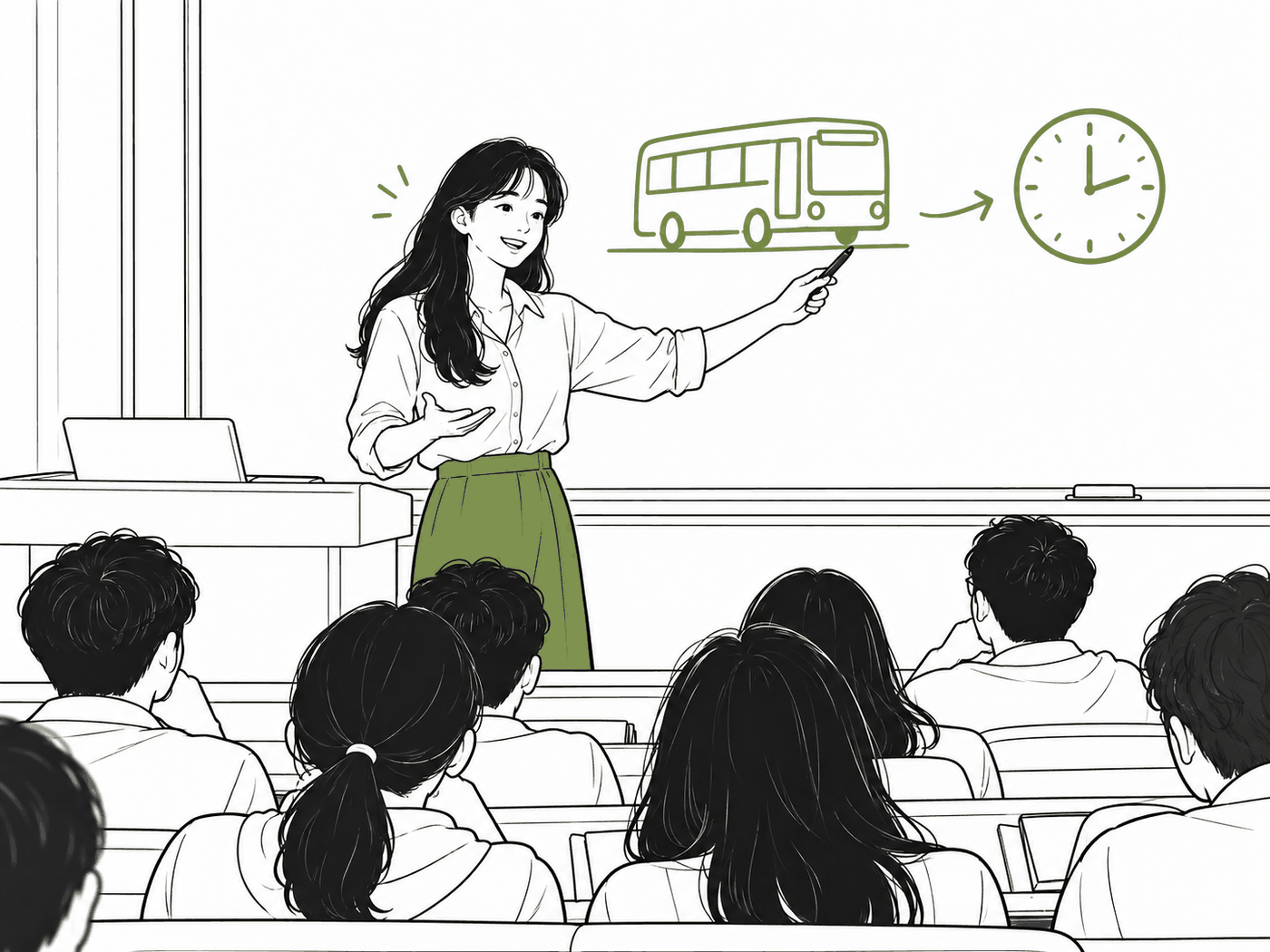
Their way of grasping the abstract through concrete experience becomes the world standard for a “good explanation.”
Chapter 4
16
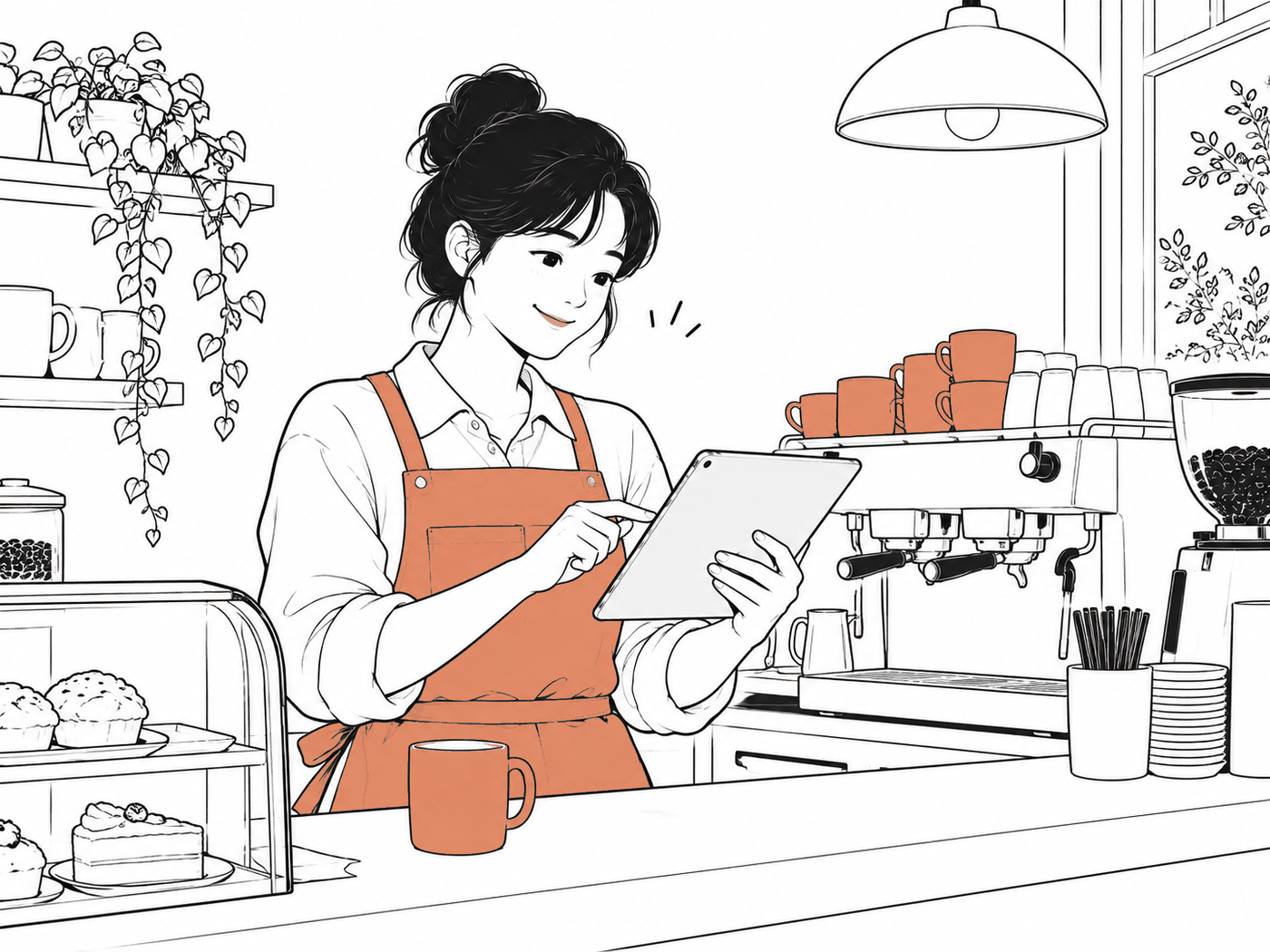
Agents back up a goods shop, a café, a YouTube channel. The boss only makes the decisions.
17
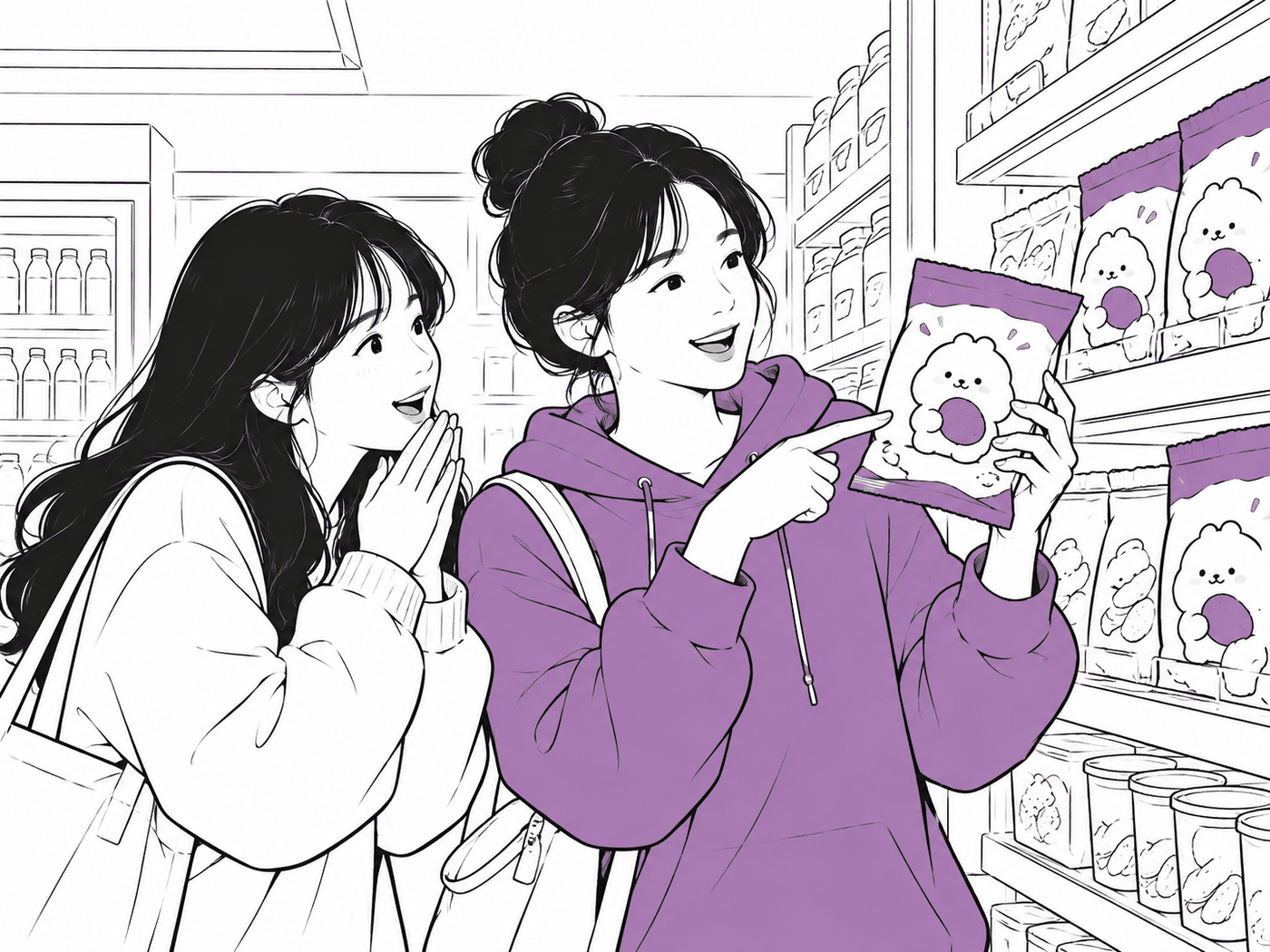
The character you created gets licensed, and the royalties come in.
18
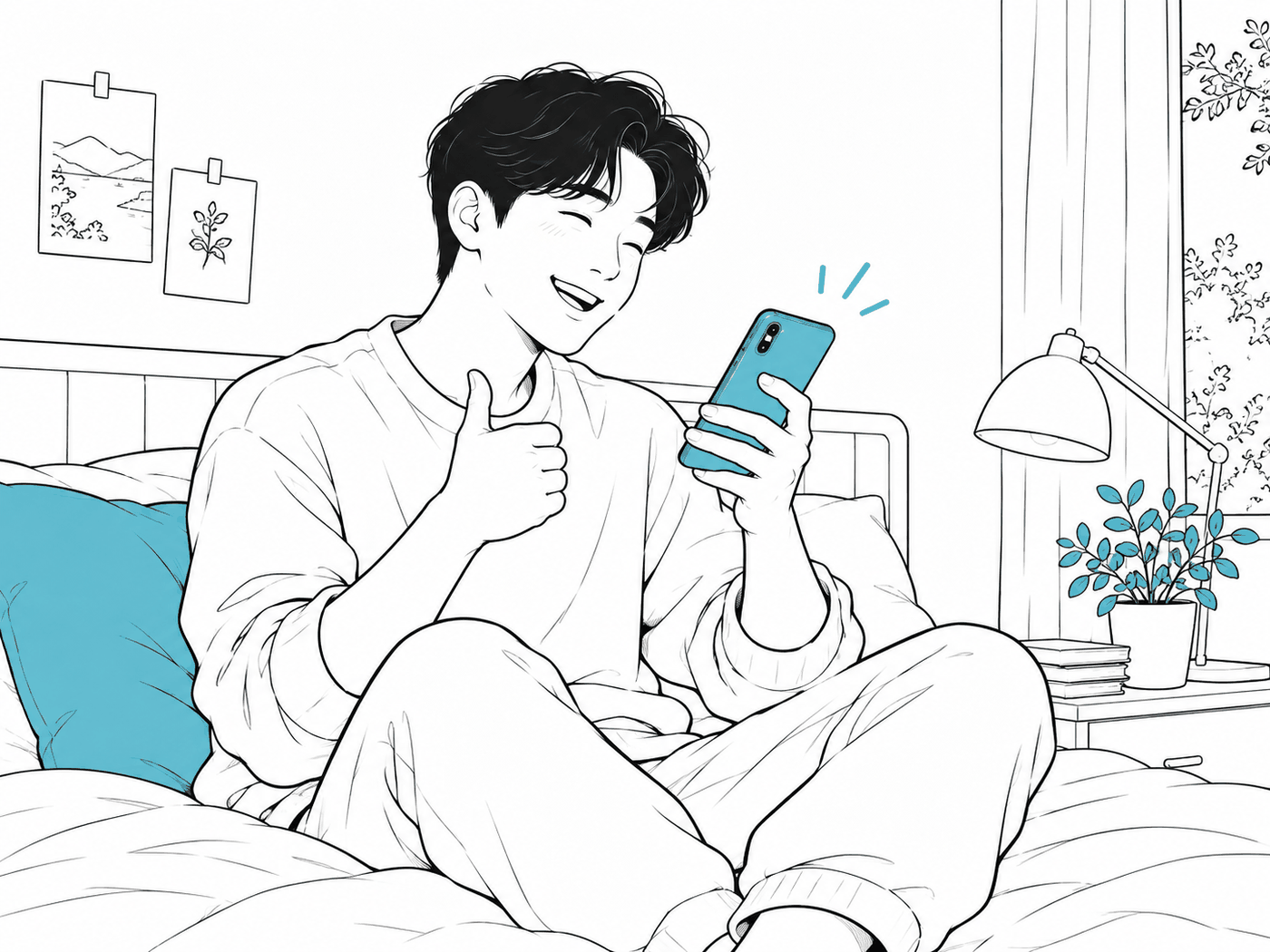
Every time your records and your voice are used, you earn income.
19
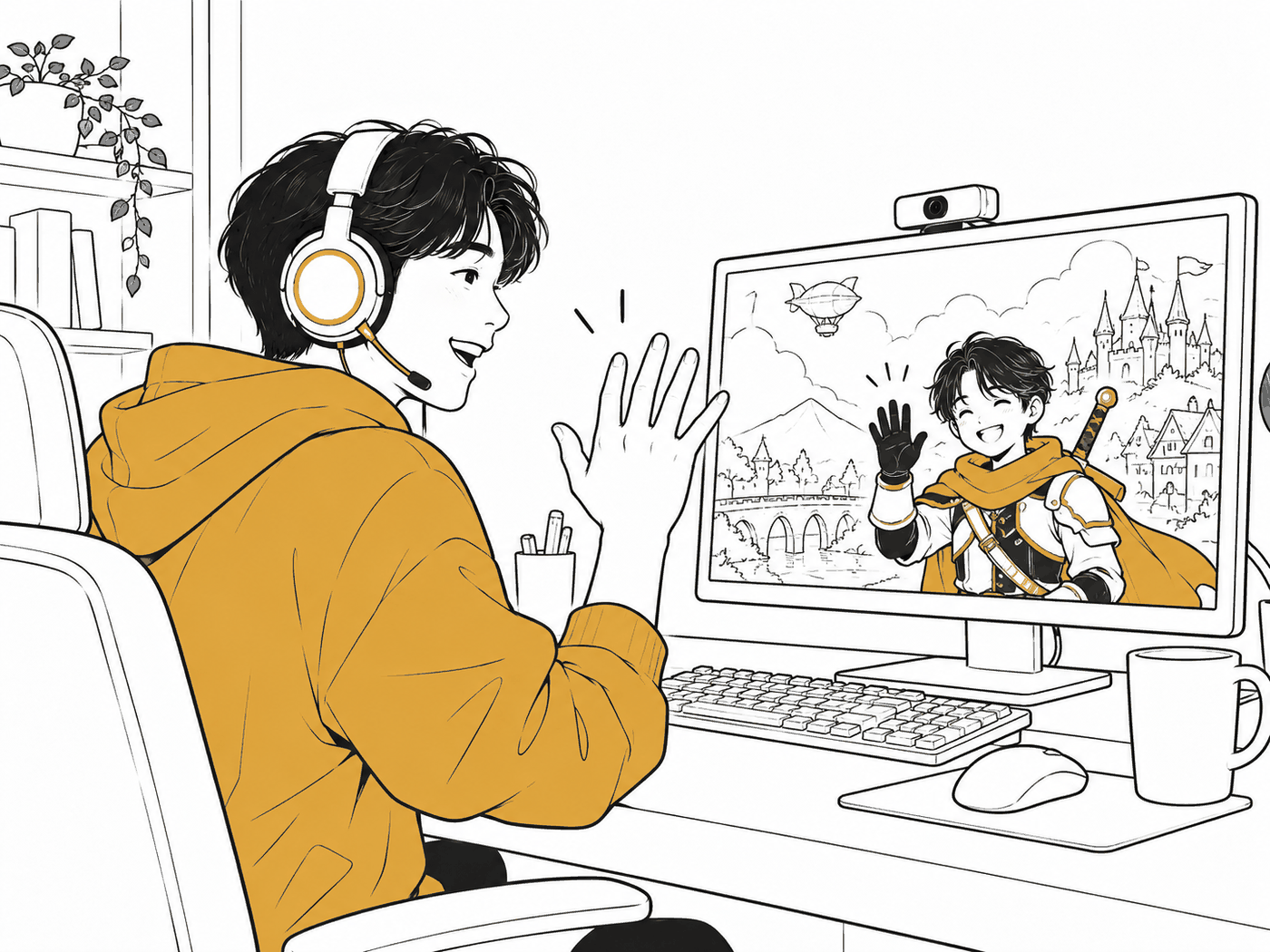
NPC actor in a game, guide in the metaverse. Personality, not the body, becomes the edge.
20
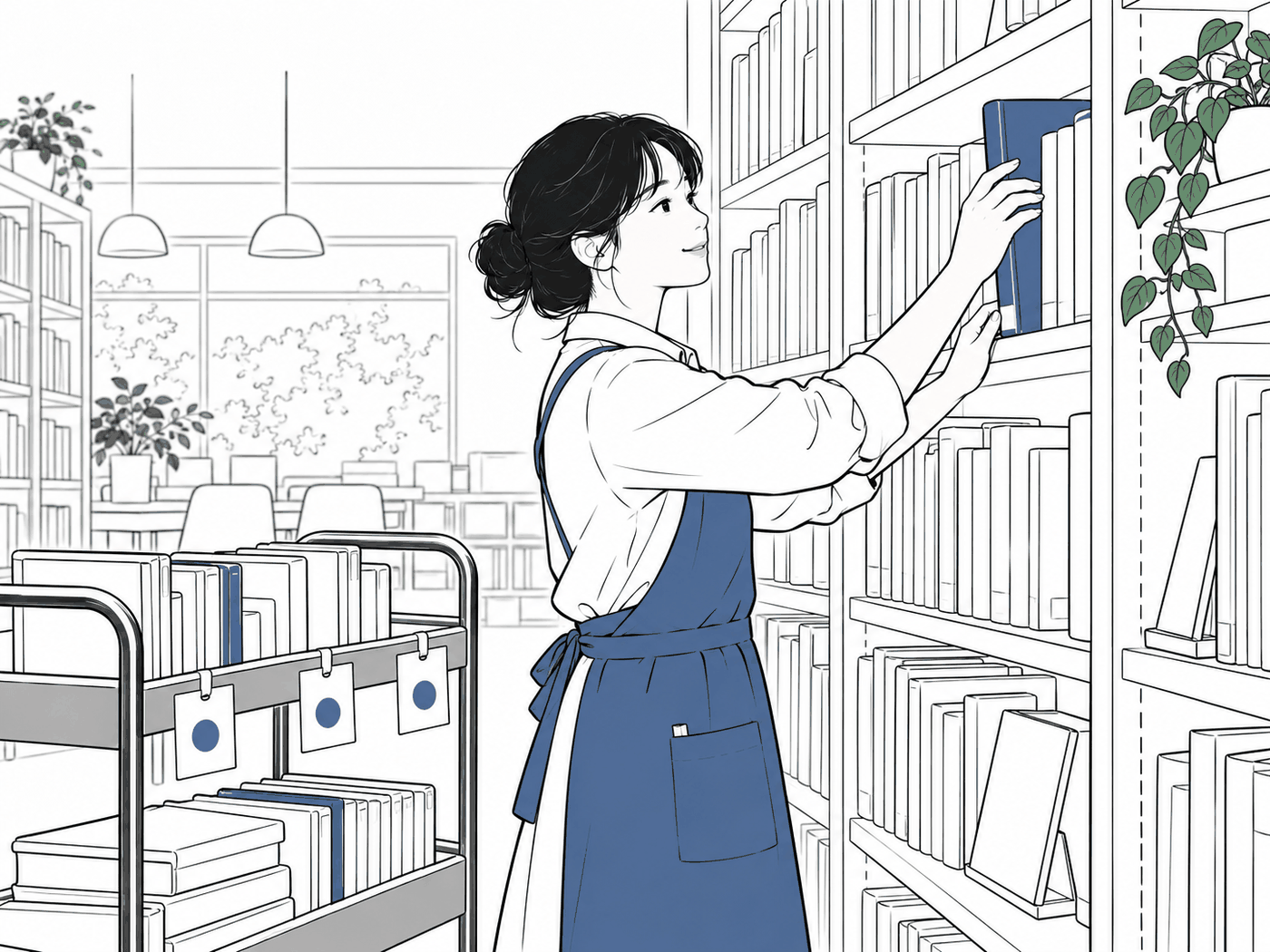
Whatever the workplace, it rearranges the job into pieces that person can do.
Chapter 5
21
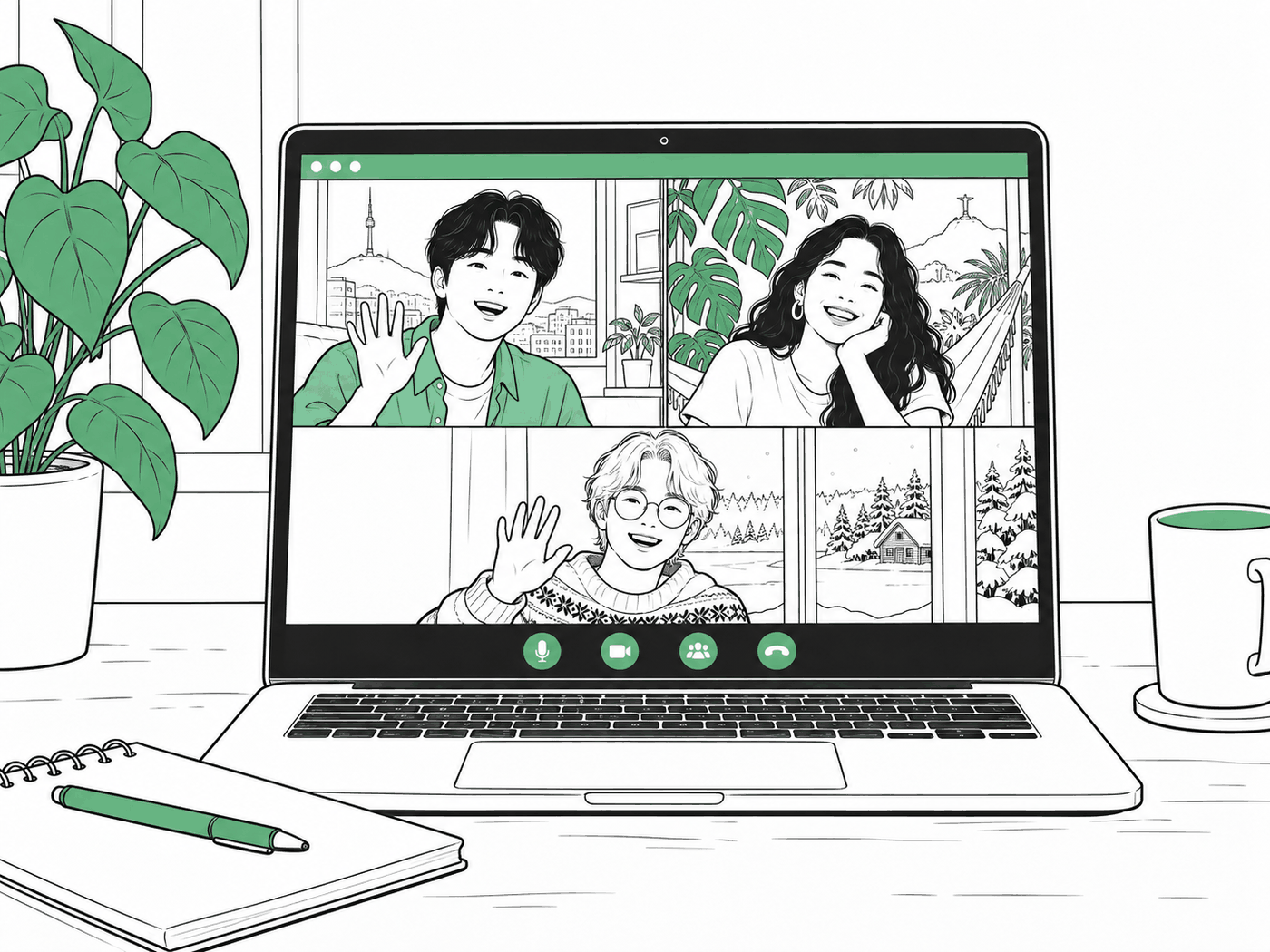
With real-time interpretation, people with developmental disabilities in Korea, Brazil and Finland become friends and build an international self-advocacy alliance.
22
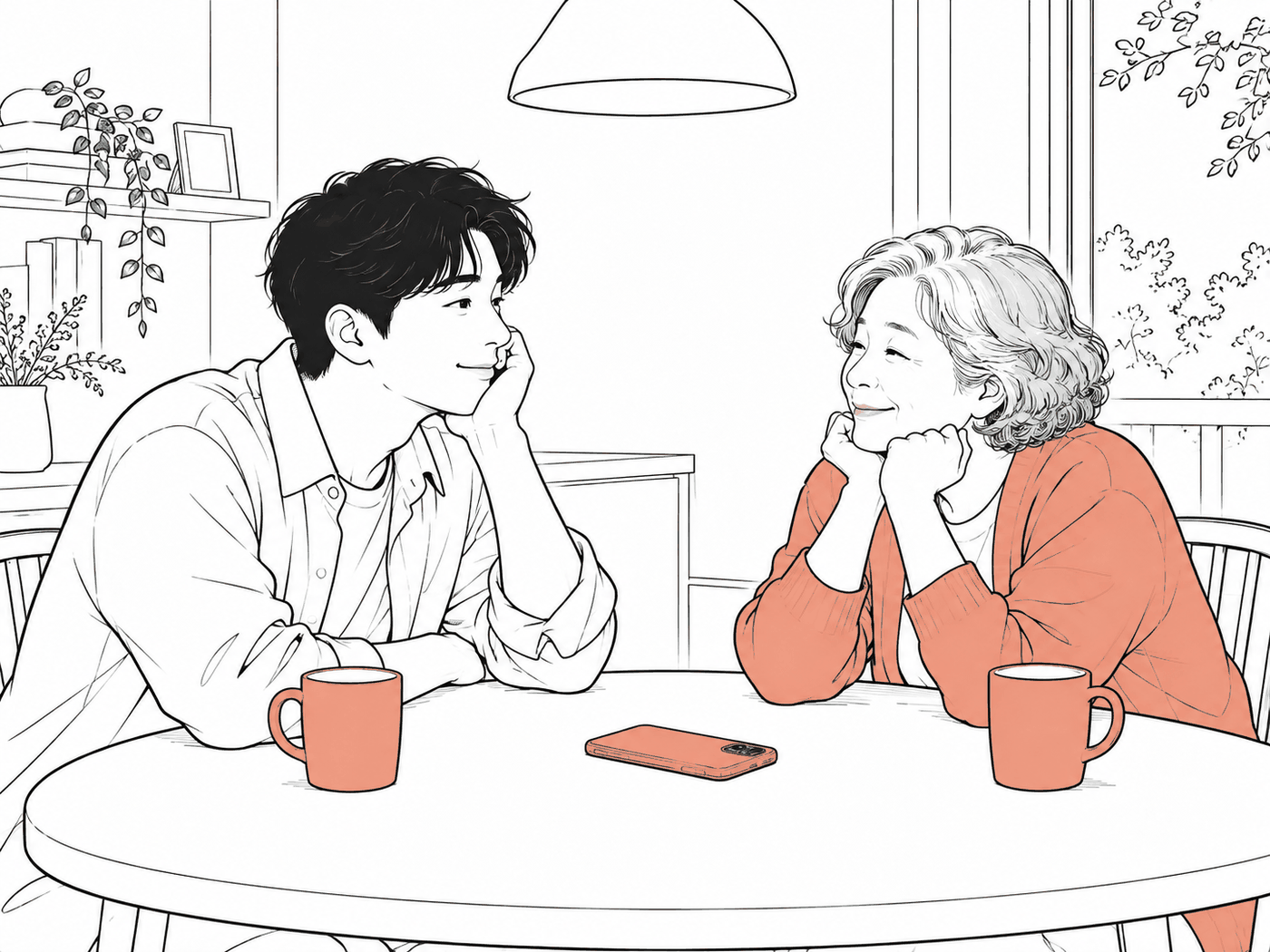
It turns a mother’s nagging and your own true feelings into words that each can understand.

23
It helps you start relationships and keep them going.
24
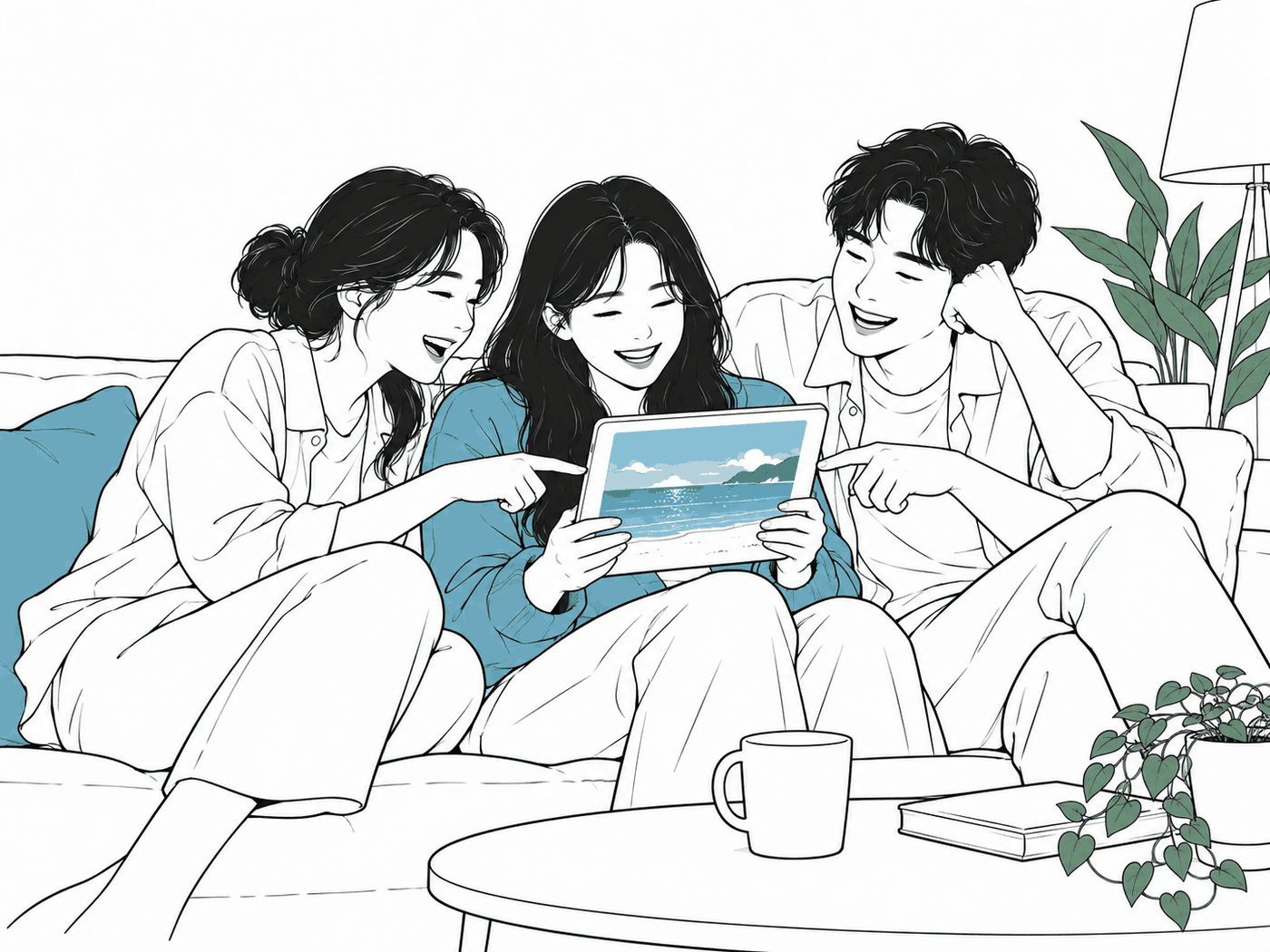
It remembers the people and moments you shared, so you can say together, “Remember when we went there?”
Chapter 6
25
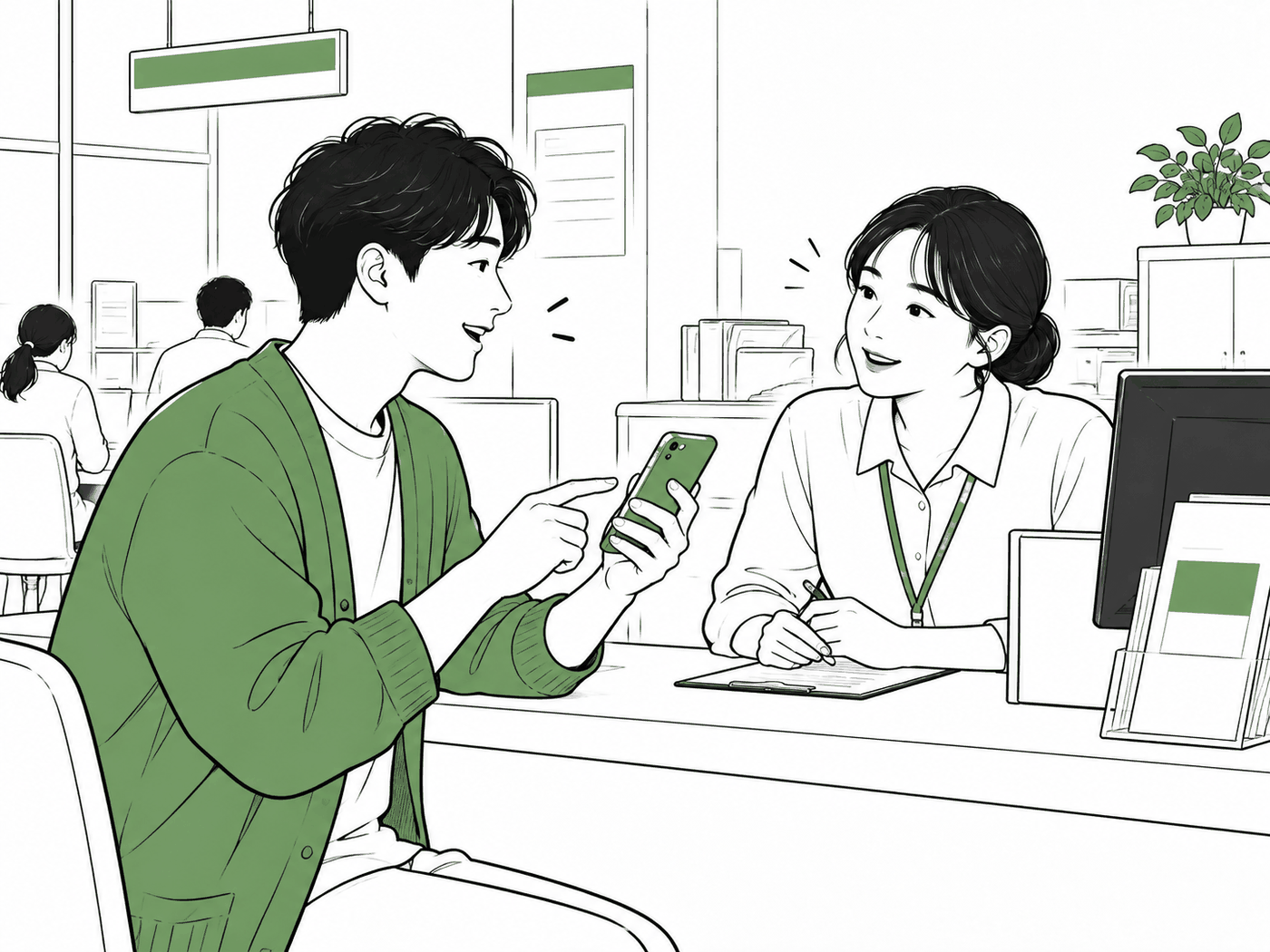
Right beside you for complaints, appeals, contract reviews and guidance on your rights.
26
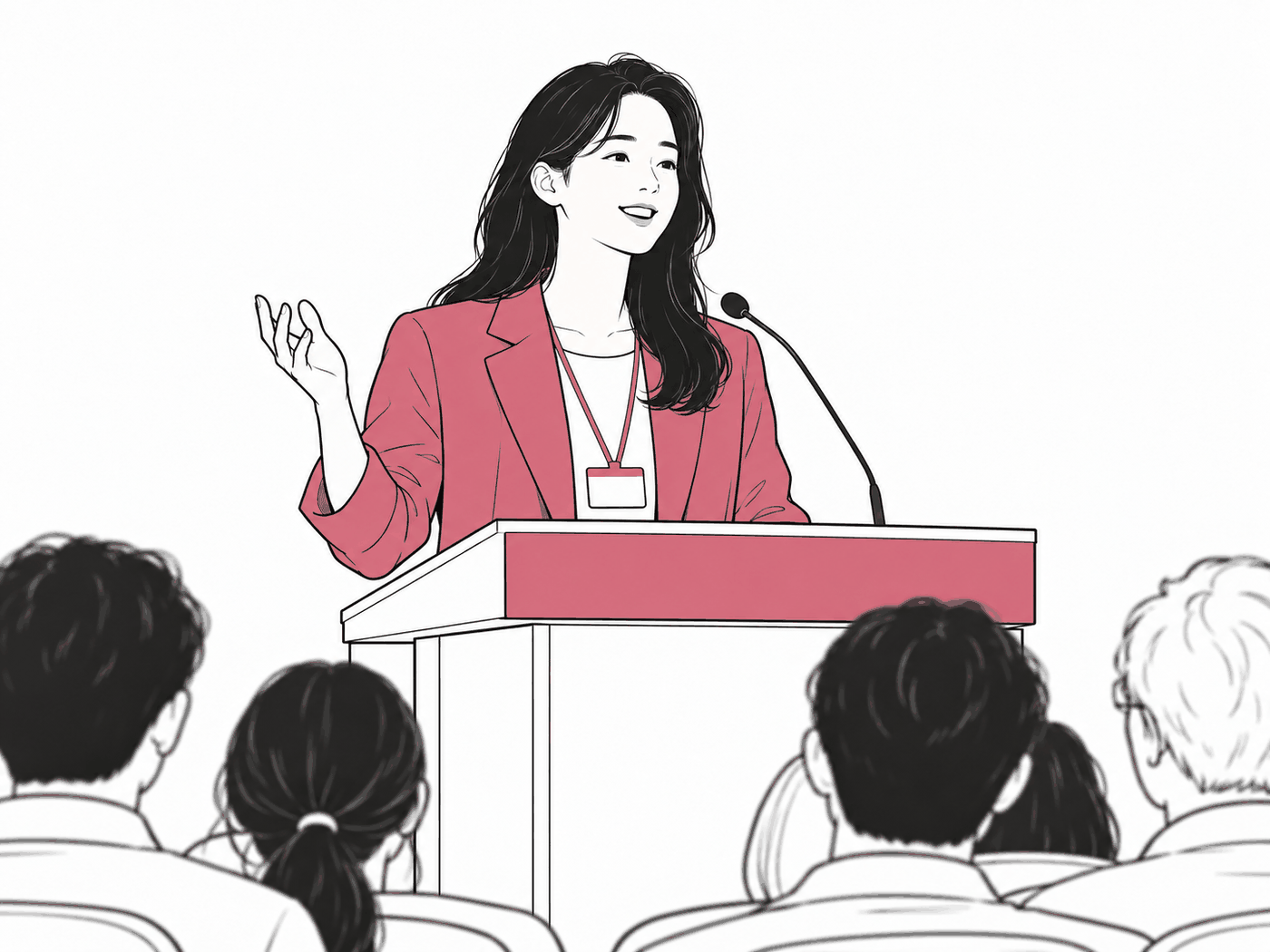
You run for office, and an AI staff supports your work as a legislator.
27
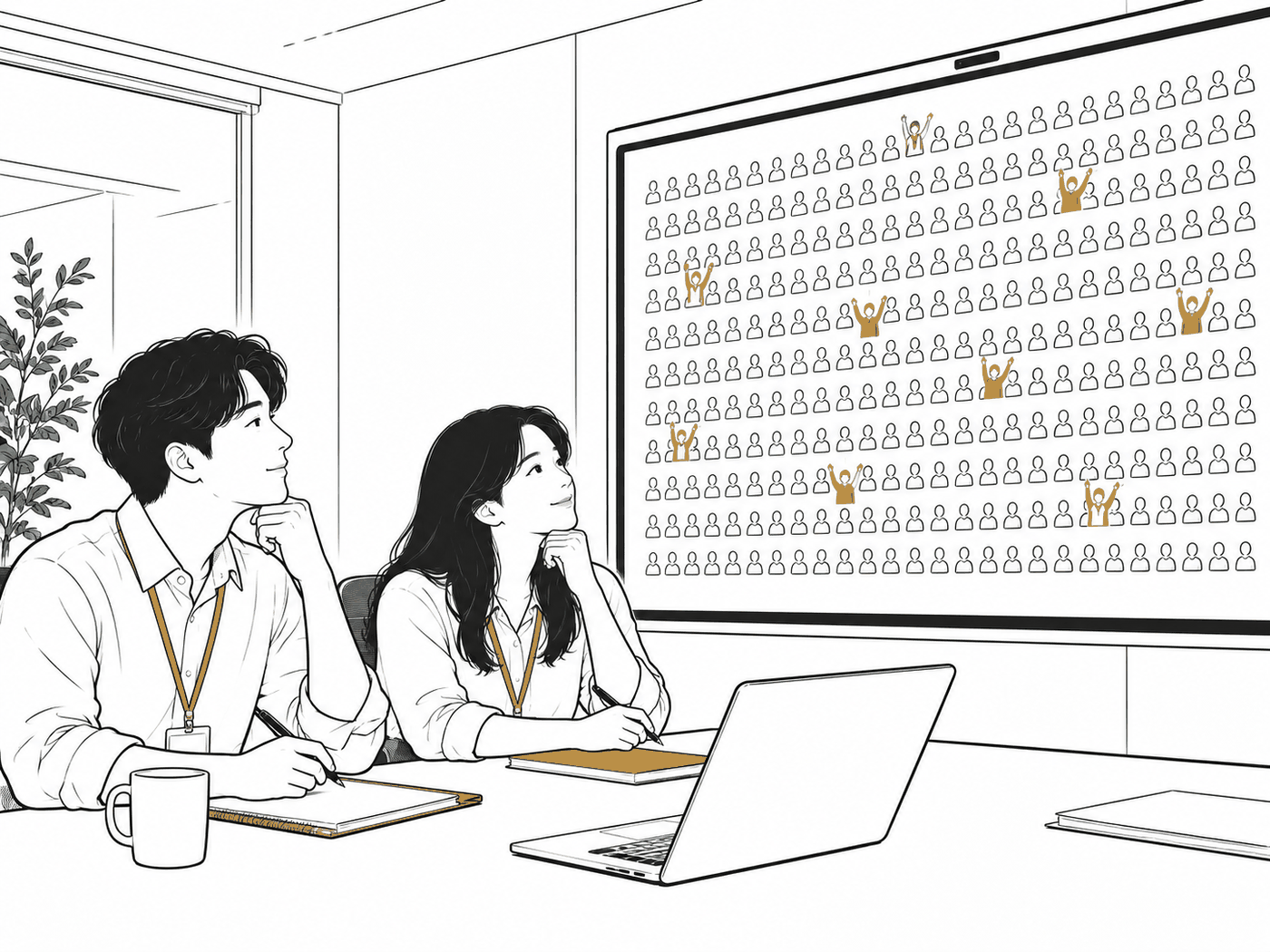
Before a new system is made, it is run through the virtual lives of thousands of people with the disability, and only then decided.
Chapter 7
28
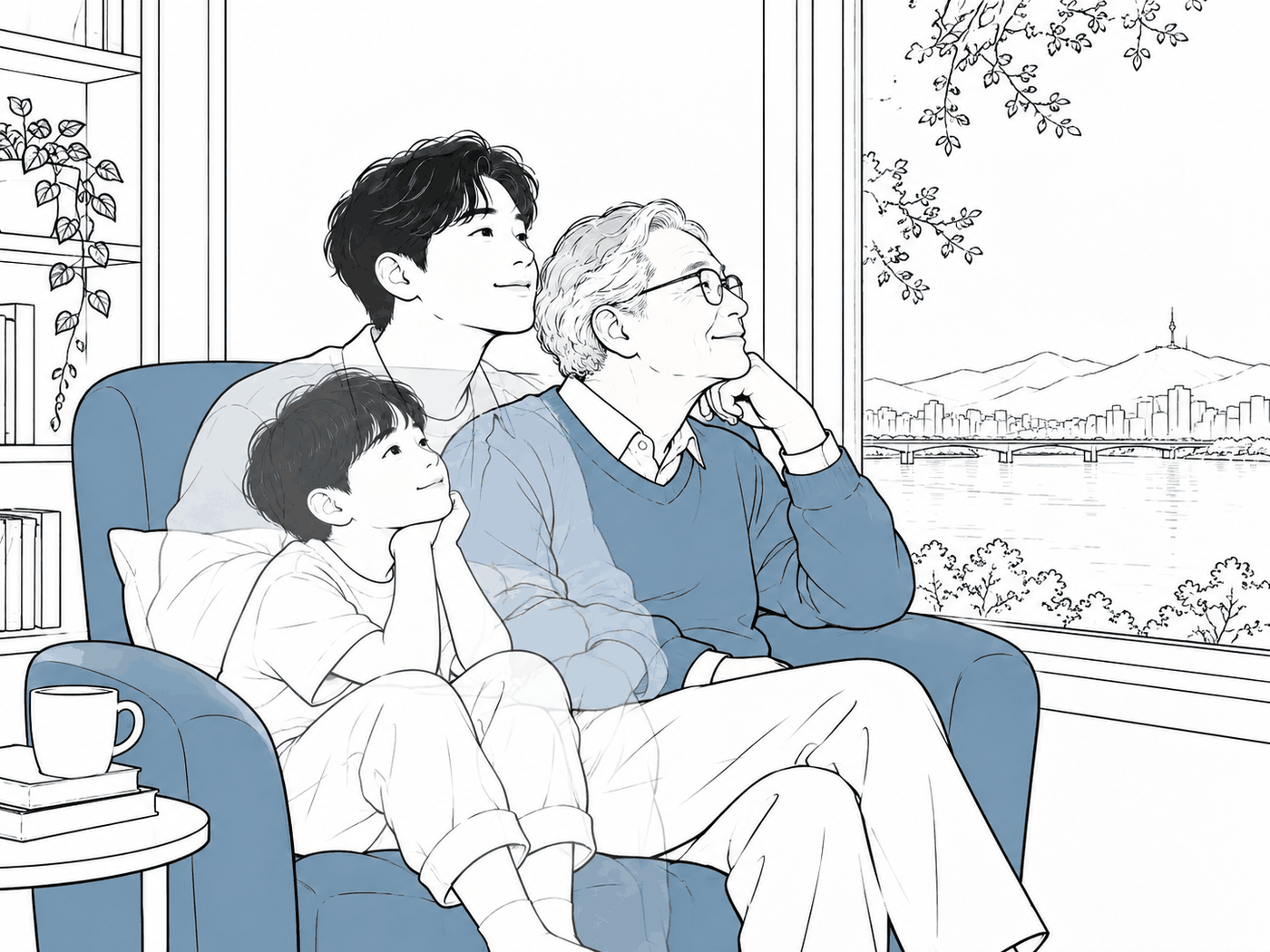
An AI that remembers and understands one person for sixty years. Even when the parents are gone, there is still someone who knows me.
29
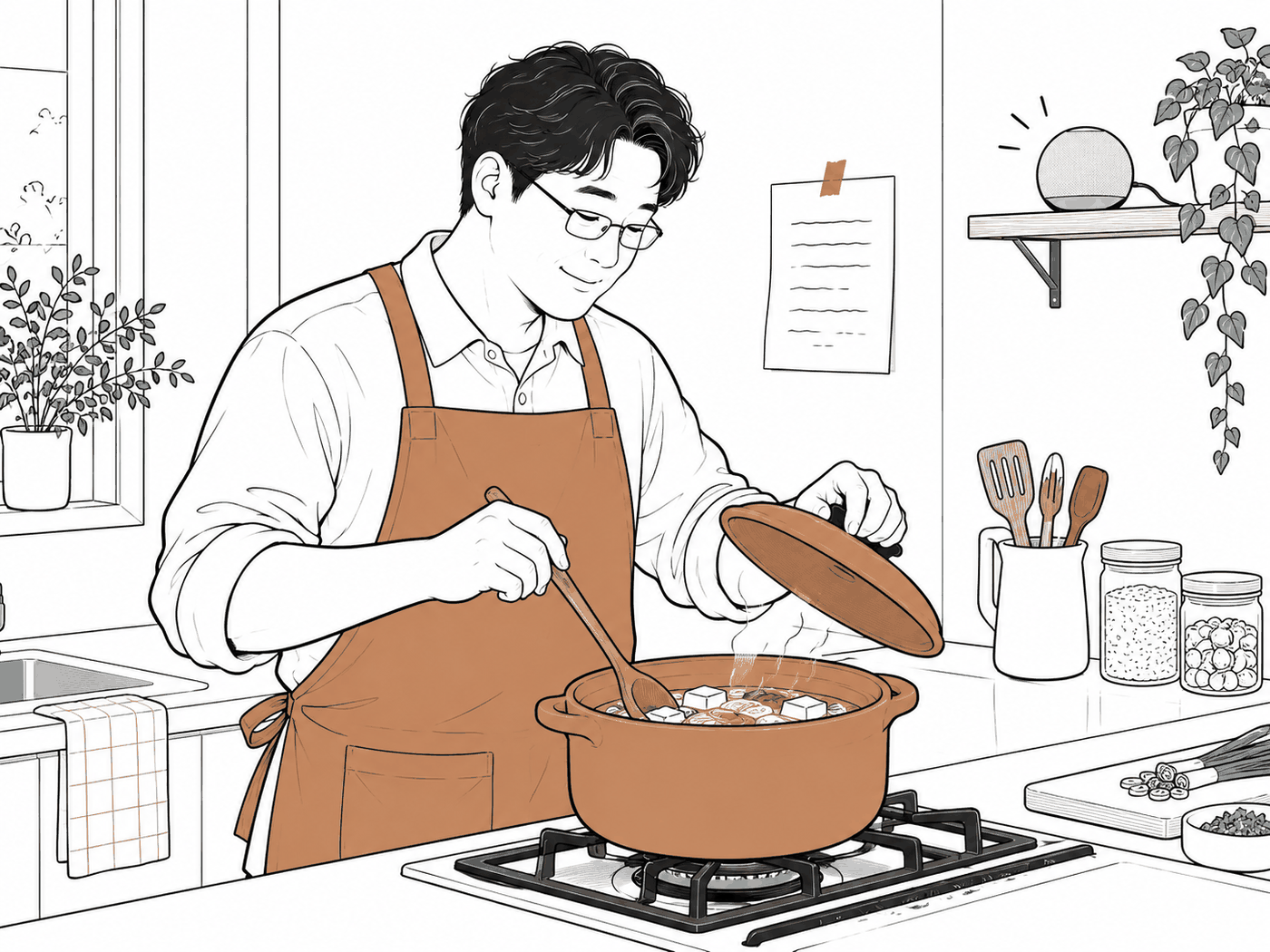
An advisor that has learned how Mom made her decisions.
30
With a brain-computer interface, you express a thought without passing through speech or writing.
31
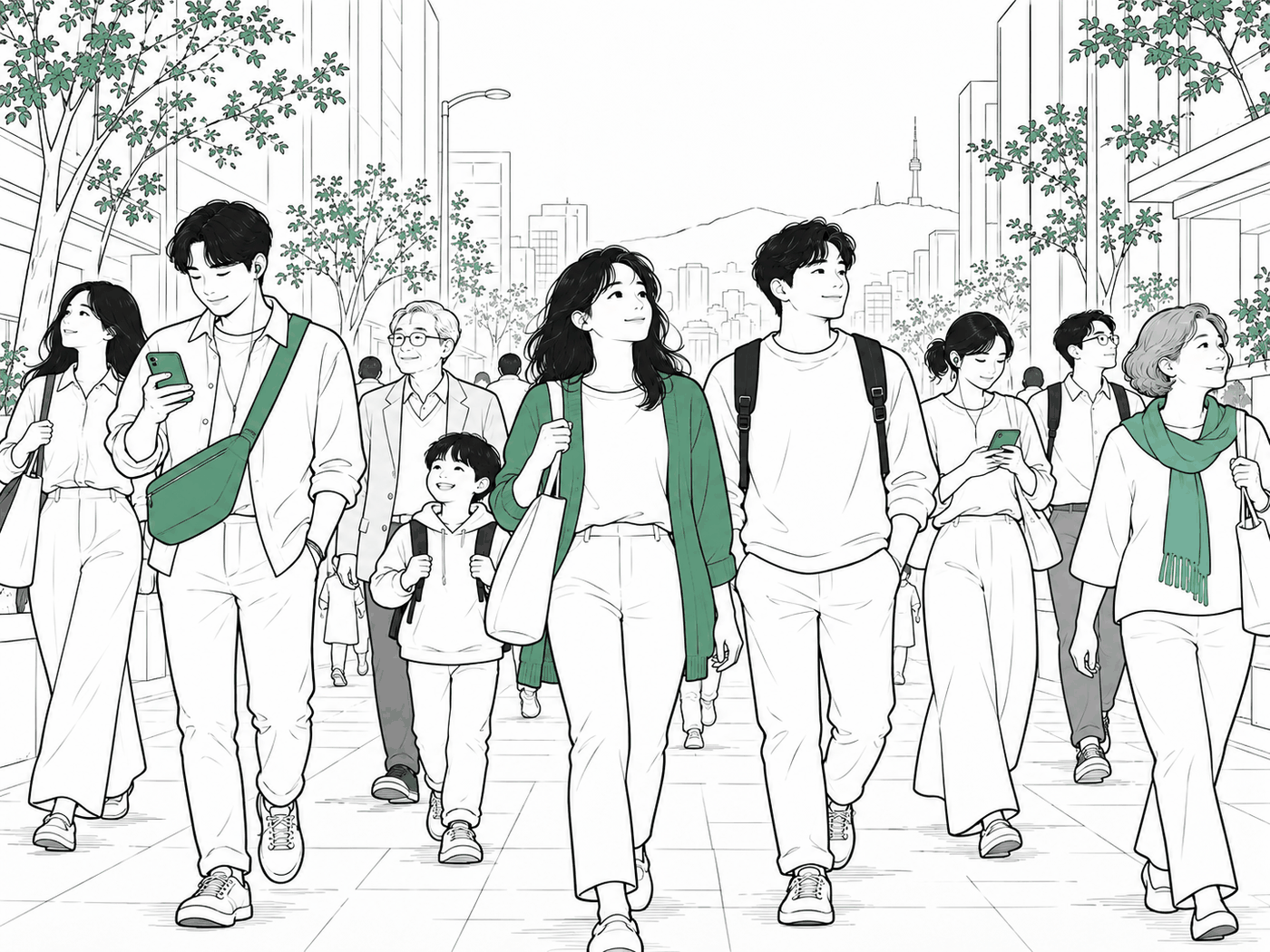
Just as glasses stopped making nearsightedness a disability, once cognitive support is as natural as air, the distinction of “low intelligence” loses its meaning. What remains is only differences in personality, taste and experience.
The distinction of “low intelligence” loses its meaning.
AI, to People with Intellectual Disabilities